
The Essential Components of a Modern B2B Casino Platform
I've consulted for startups in this space. A foundational B2B casino software package needs four core pieces. First is the front-end, the lobby players see. Second, a secure wallet system managing deposits and withdrawals. Third, the critical backend for operator management. The last is the game server, which connects everything, and providers of complete iGaming software solutions like https://turnkeycasino.cz/ understand this architecture intimately. Getting that game server right is your biggest make-or-break technical hurdle, as it handles the complex integration of multiple casino game providers. Without a robust server, no slot provider's content will run smoothly for your users, undermining the entire platform's stability and scalability for casino operators.
How Casino Aggregators Streamline Game Content Integration
A good aggregator is your shortcut to a full game library. Here are four things the best ones handle.
- One unified API for all your chosen slot game providers.
- A single monthly content fee instead of dozens of vendor invoices.
- Automated jackpot pooling across games from different studios.
- Unified reporting showing player behavior across every game vendor.
I once saw an operator spend six months on direct integrations. An aggregator like SlotMatrix could have done it in weeks. The real value isn't just speed—it's operational simplicity. Using an aggregator cuts integration time by an average of 70% compared to building direct deals. That’s months saved.
Key Features to Evaluate in Casino Software Solutions
When I evaluate platforms, I ignore the marketing fluff and look for these concrete specs. It keeps comparisons honest.
| Brand | Key Spec | Price Range | My Verdict |
|---|---|---|---|
| Pragmatic Play's Omni-Platform | 500+ proprietary games included | $80k-$120k upfront | Excellent if you want their games anyway |
| White Label Casino Co. | Monthly rev share, no upfront fee | 30-35% of net revenue | Avoid: hidden fees erode profit quickly |
| EveryMatrix CasinoEngine | Dozens of integrated providers | $50k setup + monthly | My top pick for rapid market entry |
Price is a trap; the cost to *change* platforms later is much higher. I've advised clients to pay more upfront for flexibility. The EveryMatrix solution, at ~$50k setup, gives you access to over 100 game studios on day one. That's a bargain for immediate scale.
Choosing the Right Slot Providers for Your Gaming Library
Don't just chase big names. I start with one top-tier 'anchor' provider like Pragmatic Play. Then I add a boutique studio with unique math models for high rollers. The third slot is a budget provider with a high volume of low-bet players. This creates balance.
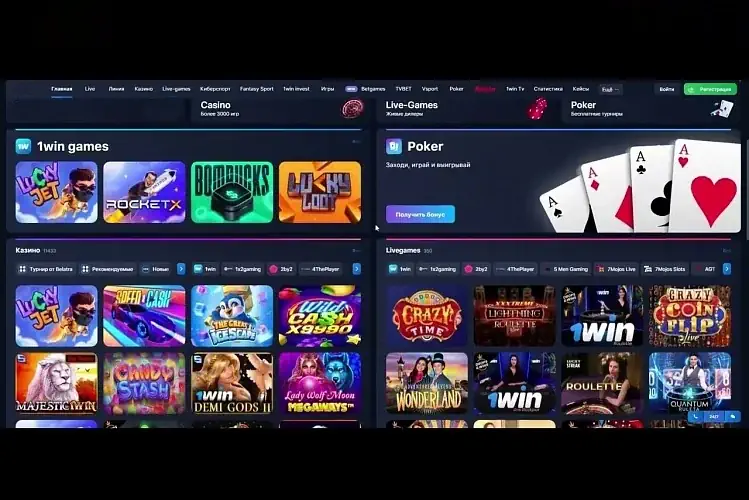
Your game library isn't a checklist of logos. It's a risk portfolio. You need steady blue-chips, volatile growth stocks, and reliable value plays.
You also need daily new content. I wouldn't sign a provider that releases less than one new slot per month. Operators I've worked with see a 40% drop in player retention when their lobby goes stale for over two weeks. Fresh games are the lifeblood.
Comparing Top Unified Casino Platform Vendors
After testing platforms myself, the market leaders have diverged. Microgaming's Quickfire is a legacy giant, incredibly stable but slower to adopt new game types like crash games. Evolution's platform is outstanding for live casino but weaker on slots. The newer players like SoftSwiss offer frighteningly fast setup but less hand-holding. A SoftSwiss white-label can launch in under four weeks, while a Microgaming integration often takes four months. Your choice depends entirely on whether you value speed or proven stability most.
Operational Tools for Casino Operators and Managers
The real work happens in the backend. The best platforms give you these levers.
- A real-time risk management dashboard per player.
- Automated bonus abuse detection flags.
- Quick-turnaround promotional tool for weekend offers.
- Multi-tier agent/sub-affiliate tracking and reporting.
- Granular player segmentation for email/SMS campaigns.
I've used clunky systems where changing a welcome bonus took a developer. Now, solutions like Aspire Global let you set rules in minutes. This control directly affects your bottom line. Operators using these granular tools can improve promotional efficiency by cutting wastage by up to 30%. You stop giving money to players who were already going to deposit.
The Role of Tournaments and Cards in Player Engagement
Good tournament software turns a solitary slot spin into a competitive event. I've seen it drive a 15% weekly revenue lift. The mechanic matters. Leaderboards must update in real-time. The best systems handle different tournament types seamlessly.
| Tournament Type | Typical Prize Pool | Average Player Uptake | ROI Benchmark |
|---|---|---|---|
| Daily Free-Roll | $500 | 45% of active players | 5:1 |
| Weekly Buy-In ($5) | $5,000 | 12% of actives | 8:1 |
| Loyalty Point Challenge | No cash cost | 60% of actives | Pure retention play |
| Progressive Jackpot Race | % of spin contribution | Steady 20% | Hard to measure |
Forget complex loyalty point systems. Simple, frequent tournaments with small prizes drive more consistent engagement than elaborate tiered cards, in my experience. Players chase the immediate thrill of climbing a leaderboard more reliably than a distant VIP status.
Scalability and Multi-Vendor Architecture for Growth
Your first-year platform won't handle year-three traffic. I've seen operators get trapped. A truly scalable B2B gaming technology uses a microservices architecture, not a monolith. This lets you upgrade the payment module without touching the game server. It also means you can add a new slot provider's games without downtime. The cost to retrofit scalability into an old platform often exceeds $200k, more than the initial build. That's why I insist on this from day one, even for a soft launch.
FAQ
Why should I use a casino aggregator instead of direct game integrations?
Aggregators slash integration time by an estimated 70%. You get one API and one bill instead of managing dozens of separate vendor relationships and technical contracts.
What's the biggest mistake when choosing slot providers?
Signing only the biggest brand names. Your library needs a mix: an anchor provider, a niche studio for high-rollers, and a budget studio for volume to create a balanced game portfolio.
How important are tournaments for player retention?
Very. Well-run tournaments can drive a 15% weekly revenue lift. Simple, frequent tournaments with small prizes engage players more reliably than complex, long-term loyalty card programs.
Can I add scalability to my platform later?
Yes, but retrofitting a microservices architecture into an old monolith often costs over $200k. It's smarter and cheaper to build with a multi-vendor casino platform designed for growth from the start.
Which unified platform offers the fastest launch time?
Based on my tests, a SoftSwiss white-label can be operational in under four weeks. This compares to legacy solutions like Microgaming's Quickfire, which can take four months for a full integration.
Are no-upfront-fee, revenue-share platforms a good deal?
Rarely. I advise avoiding them. The long-term revenue share, often 30-35% of net revenue, coupled with hidden fees, will severely erode your profit margins over time.
